Introduction
Tiger snakes, understood for their striking patterns and potent venom, populate various regions across Australia, especially in seaside areas. Although they may show up exciting, their bite can be dangerous otherwise dealt with without delay. Comprehending just how to provide first aid complying with a tiger serpent bite is vital understanding for anybody living or discovering locations where these serpents are found.
In this thorough guide, we will certainly look into the specifics of dealing with a tiger snake bite. We will certainly cover everything from determining the serpent to understanding its environment, identifying signs and symptoms of envenomation, and applying effective first aid procedures. Our goal is to furnish you with the required abilities to act decisively and effectively in case of a snake bite.
What is a Tiger Snake?
Overview of Tiger Snakes
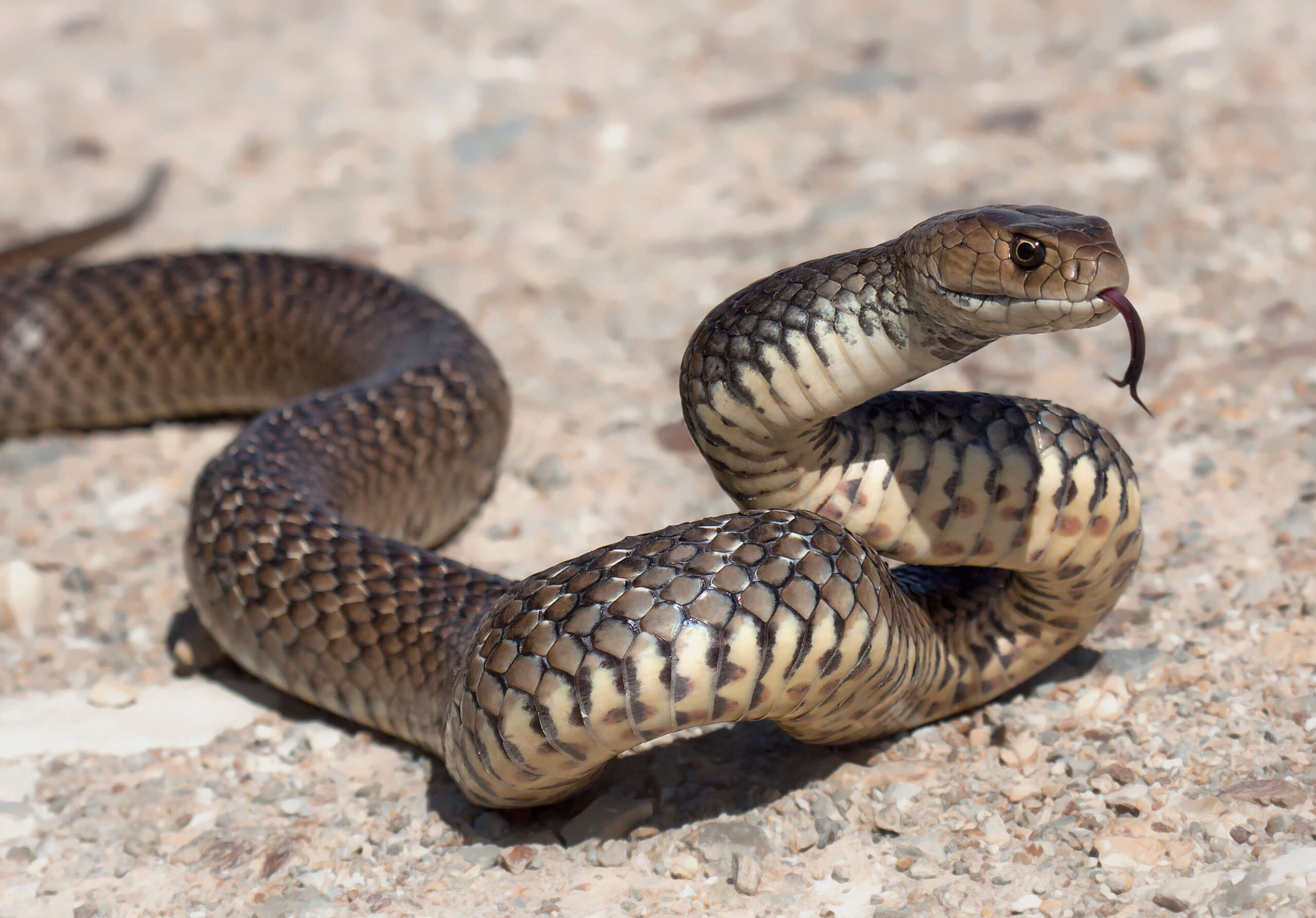
Tiger snakes (Notechis spp.) are very poisonous snakes belonging to Australia and bordering islands. These snakes are defined by their distinct banded pattern that resembles that of a tiger-- therefore the name. They generally grow between 1 Endangered venomous snakes Australia to 2 meters long, with some individuals rising to 3 meters.
Tiger Snake Habitat
Tiger serpents favor damp settings such as wetlands, swamps, and coastal regions. They are frequently located near water resources which supply them with sufficient food supply like frogs, fish, and tiny animals. Understanding their habitat can be essential for people living near these areas to reduce encounters.
Are Tiger Snakes Venomous?
Yes! Tiger snakes are amongst the most venomous snakes in Australia. Their venom consists of potent neurotoxins that can trigger paralysis and coagulopathy (disturbance of blood clotting). It is very important to recognize that not all tiger snakes provide venom when they attack; nevertheless, one ought to treat any snake bite as potentially dangerous.

Recognizing a Tiger Serpent Bite
Identifying Symptoms of a Tiger Serpent Bite
A tiger serpent's bite might provide a number of instant signs and symptoms:
- Local Pain: Extreme discomfort at the site of the bite Swelling: Quick swelling around the bitten area Discoloration: Bruising or discoloration may occur Systemic Symptoms: Nausea or vomiting, throwing up, problem breathing, or indicators of shock
What Does a Serpent Bite Look Like?
The look of a tiger serpent bite can vary depending upon private reactions and seriousness:
- Two slit injuries can commonly be observed. Surrounding soreness or swelling normally establishes rapidly. In extreme instances, systemic symptoms may emerge within minutes.
First Aid for Serpent Bites
Immediate Actions Following a Tiger Snake Bite
If you discover on your own or somebody else bitten by a tiger snake:
Stay Calm: Keeping one's cool minimizes anxiousness and slows down heart rate.
Keep the Victim Still: Encourage restricted movement; this helps slow down poison spread out via the body.
Remove Tight Clothing: Loosen any type of constrictive garments or devices near the bite site.
Immobilize Impacted Limb: Usage splints or bandages to keep the damaged area still.
Keep Victim Resting Down: Preferably, place them flat with the affected arm or leg below heart level.
Call Emergency situation Provider Immediately
It's crucial to look for clinical assistance right now by calling emergency situation services (like 000 in Australia). Give clear info concerning your area and conditions surrounding the incident.
Building Your Snake Bite First Aid Kit
A well-appointed emergency treatment set is important for attending to emergency situations like serpent bites. Right here's what it must contain:
|Thing|Summary|| ------|-------------|| Compression Bandage|For immobilization|| Splint|To maintain injured limbs|| Antihistamine|If allergy happens|| Pain Alleviation Medication|Such as paracetamol|| Emergency Situation Get In Touch With Numbers|Pre-written listing|
Ensure your kit is quickly available during outside activities in environments recognized for tiger snakes.
First Help Techniques for Serpent Bites
Compression Bandaging Technique
Using compression plasters efficiently can slow down venom spread:
Start covering from below the bite website relocating upward. Apply firm however not extremely limited pressure. Ensure circulation isn't impeded (check fingers/toes for color adjustment).Avoiding Usual Mistakes
There are a number of common mistakes people make when treating serpent attacks:
- Do NOT apply ice directly; this may get worse cells damage. Avoid cutting right into the injury or trying suction. Do NOT usage tourniquets; these can cause even more harm than good.
Treatment Post-Snake Bite
Understanding Antivenom Therapy
Once at a clinical center:
Healthcare service providers will certainly evaluate symptoms. If essential, antivenom specific to Australian tiger snake poison will certainly be administered. Monitoring important indications for complications is conventional practice after treatment.Recovery Duration After Treatment
Post-treatment recuperation entails rest and monitoring for any type of delayed difficulties such as allergic reactions or infection at the bite site.
Preventative Steps Against Tiger Snakes
Safety Tips When Exploring Tiger Serpent Habitats
To decrease danger while appreciating nature:
Wear tough boots and lengthy pants while hiking. Stay on significant tracks away from dense vegetation. Be careful around water sources where these snakes frequent.Educating Others About Serpent Safety
Sharing knowledge concerning safety and security preventative measures can help others prevent unsafe encounters with tiger snakes:
- Organize neighborhood workshops on identifying harmful wildlife. Provide resources on first aid techniques connected to serpent bites.
FAQs
What ought to I do if I see a tiger snake?
If you come across a tiger serpent in the wild:
- Maintain distance and do not provoke it. Slowly retreat from its path while watching on it until it runs out sight.
How rapidly does poison affect someone after being bitten?
Symptoms can start within minutes after being bitten; nevertheless, it might take longer relying on elements like size of specific bitten and quantity of poison injected.
Is it risk-free to suck out the venom?
No! Trying to draw out poison boosts infection threat without supplying any kind of benefit; it's far better to concentrate on appropriate immobilization technique instead.
Can I drive myself if bitten by a tiger snake?
No! Driving on your own might postpone therapy; constantly seek help from others https://keegandxev094.weebly.com/blog/crucial-first-aid-techniques-for-snake-bites-in-australia or call emergency services right away after being bitten.
What happens if I do not receive treatment?
Without punctual clinical attention complying with a tiger snake bite:
- Serious complications can arise including paralysis or perhaps death as a result of respiratory system failure arising from neurotoxic impacts of envenomation.
How do I recognize if my animal has actually been attacked by a snake?
Signs include abrupt lethargy, swelling at website of injury or problem breathing; call your veterinarian quickly if you think your pet dog has been bitten!
Conclusion
Treating a tiger serpent bite calls for fast activity combined with accurate knowledge about emergency treatment methods specific to envenomations from these harmful creatures. By staying calm Venom extraction and antivenom production in Australia and implementing reliable emergency treatment techniques laid out above-- alongside seeking specialist medical help-- you dramatically boost end results complying with such serious events in nature's ruthless wilderness!
Knowing exactly how best to respond is critical-- so outfit yourself with understanding pertaining to both prevention techniques in addition to detailed treatment techniques linked directly towards mitigating risks connected with Australia's stunning yet risky fauna landscape!
Remember-- expertise conserves lives!